Last Lap of Geoff Duke, TT Legend.

IMG_0414Geoff Duke, one of the great figures from the world of Motorcycle Racing passed away earlier this month at his home on the Isle of Man, he was 92.

Geoff was a multiple motorcycle Grand Prix Road Racing World Champion.

In the 1950’s he won six World Championships and also Seven Isle of Man TT Titles. His name became synonymous with the famous “Manx Norton” motorcycle. He also was beloved in Italy for his rides on the 500cc Gilera, which gave him three consecutive world titles.

He was declared the first rider to lap the 37.73 mile Isle of Man course at 100mph, though this was later corrected to a mere 99.97mph!

Today, Geoff made his last lap of the famous Island Circuit when his coffin completed a tour around the roads on which he made his name. He was accompanied by his sons Mike and Peter, who followed the hearse on motorcycles, along with a whole procession of well wishers and supporters on all kinds of machines. It sounds like quite an appropriate send off, I trust Geoff approved!IMG_0412
Geoff Duke 29th March 1923 – 1st May 2015

71 Years Ago Today

Today is the 70th anniversary of Victory in Europe Day, generally known as VE Day. It marks the formal acceptance of Nazi Germany’s unconditional surrender and the end of World War II in Europe.

Let me take you back a year further, to May 8th 1944.

In Northern Europe things are gearing up towards D-Day; the allied invasion of Northern France, which will eventually lead a year later to the liberation of the occupied countries and the end of this terrible conflict.

19:00hrs
Royal Air Force Coningsby, an airfield in Lincolnshire about 110 miles North of London.

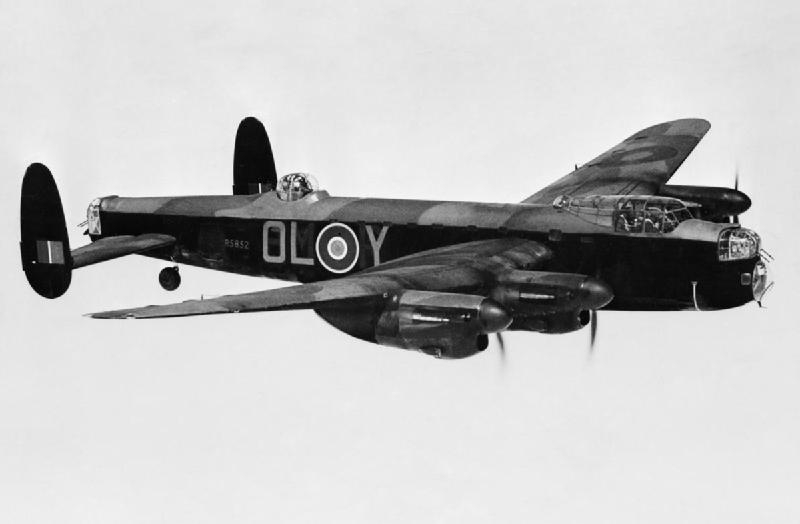
The base has been on “Lock Down” for the last 24 hours, there is an operation planned for this evening. Dispersed around the perimeter of the base, four engined Lancaster bomber aircraft are being readied for tonight’s mission. Fuel, ammunition, marker flares and bombs are being loaded as the engineers carry out final checks and adjustments to the machines. Most aircraft will carry one 4000lb bomb and sixteen 500lb bombs, though on some the load will be augmented with special marker flares to provide an accurate aiming point for the main force. This is 83 Squadron, the Pathfinders of RAF 5 Group, a crack unit that specialises in night-time low-level marking of targets, an extremely hazardous undertaking.
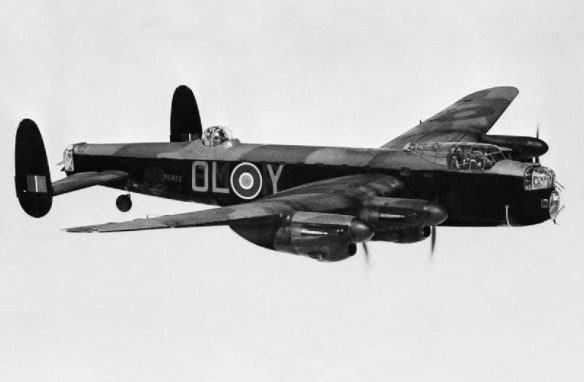
An 83 Squadron Lancaster; OL-Y, in flight.

An 83 Squadron Lancaster; OL-Y, in flight.

The aircrew flying tonight have gathered in the Briefing Room and nervously await their mission, which is revealed by the base Intelligence Officer. Tonight they are attacking the airfield of Lanvéoc-Poulmic, just south of the maritime city of Brest, in Brittany, North West France. There is a buzz around the room, it’s not as risky as going to Berlin or The Ruhr Valley both regular haunts of “83”, but Brest is heavily fortified and the target is a Luftwaffe (German Airforce) fighter base which is sure to give a hot reception. The aim of the raid is to push the German fighter aircraft back from the planned invasion beaches and deny the enemy the use of bases within short-range of the landings.

Navigators take details of the route; Flight Engineers calculate aircraft weights and range; Pilots note the meteorology reports as well as operational instructions and procedures.

The briefing ends and the nervousness in the room is growing. Notwithstanding that every man here is a volunteer, bombing operations over occupied europe are dangerous, there was a better chance of survival in the trenches of World War One than amongst the aircrews of Bomber command. A “tour” comprised 30 operations and the chances of you completing that was only 27%, the death rate was 44.4%. Just time now to pop back to your room and check that things are in order; things like the “If I don’t come back” letter to home.

20:00hrs
The crew of Lancaster ND818, code letters OL-T, gather together and hitch a ride on the crew truck to their aircraft on the far side of the ‘field as dusk begins to fall.

A Lancaster is prepared for action.

A Lancaster is prepared for action.

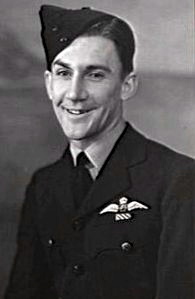
She’s an almost new Avro Lancaster BIII, this will be her third mission. On arrival the men disembark and are greeted by the “Crew Chief” who declares the aircraft ready for service; Pilot and aircraft commander, Flight Lieutenant Allan Whitford DFC, signs the acceptance papers and the ‘plane is officially his.
Flight Lieutenant Allan Whitford DFC RAAF. Note DFC ribbon beneath his "Wings."

Flight Lt. Allan Whitford DFC RAAF. Note DFC ribbon beneath his “Wings.”

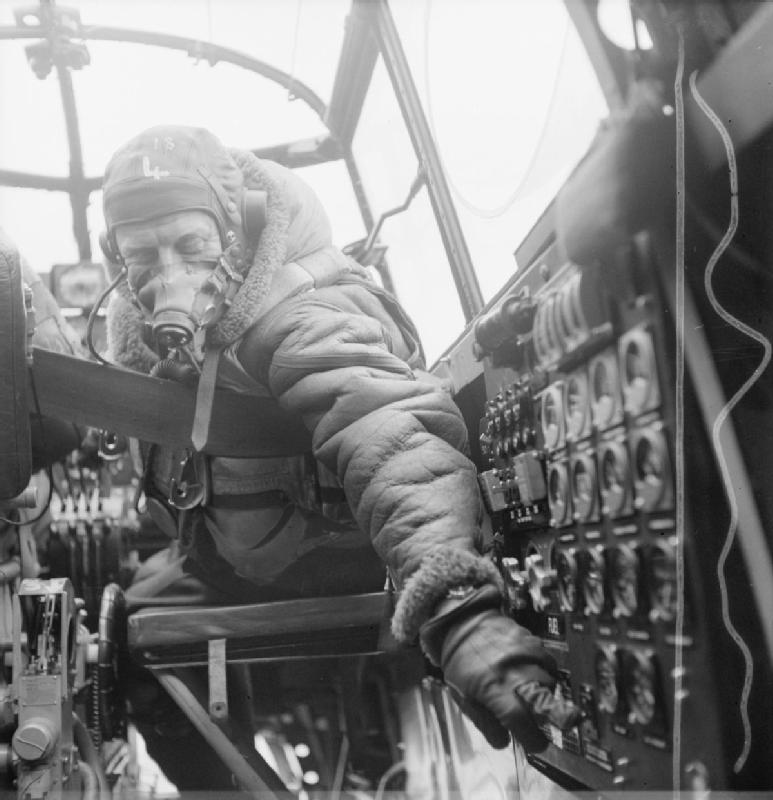
Whitford like three others of his crew of seven is an Australian, from Perth in Western Australia to be exact. Now a seasoned veteran of 39 missions he was awarded the Distinguished Flying Cross in December 1943, before the war he worked as a railway clerk; he is just 23. Helping his Pilot with the pre-flight checks is Sergeant Harold Millard, the flight engineer, his job is to monitor and control the complex systems and help the pilot fly the aircraft.

The Flight Engineer adjusts an instrument on board a Lancaster.

The Flight Engineer adjusts an instrument on board a Lancaster.

Climbing into the rear of the aircraft is Flight Sergeant Leonard Arnold, his is the loneliest and coldest position of the crew, tail gunner. The plexiglass has been removed from his gun turret to give him a better view of the night sky as he scans for enemy night fighters and so tight is it in there that he has to hang his parachute on a hook further down the fuselage; like his Flight Engineer he is from the RAF Volunteer Reserve.
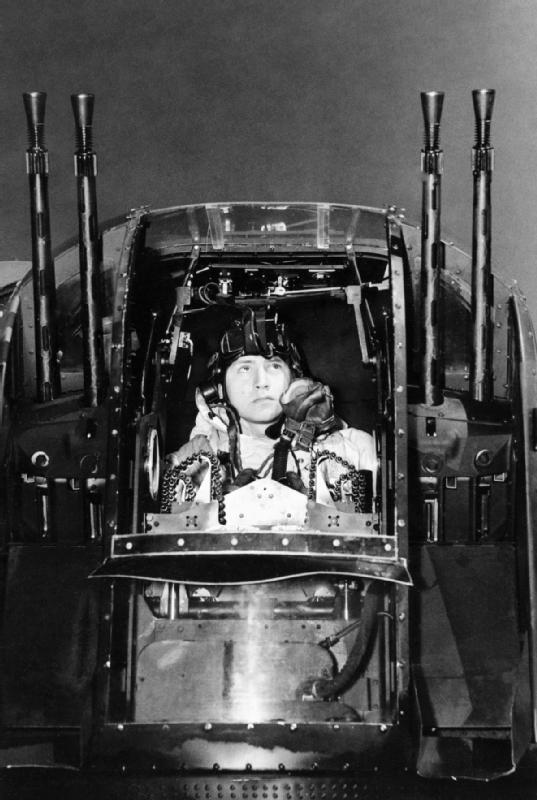
The Tail Gunner in his turret. Cold, lonely, dangerous.

The Tail Gunner in his turret. Cold, lonely, dangerous.

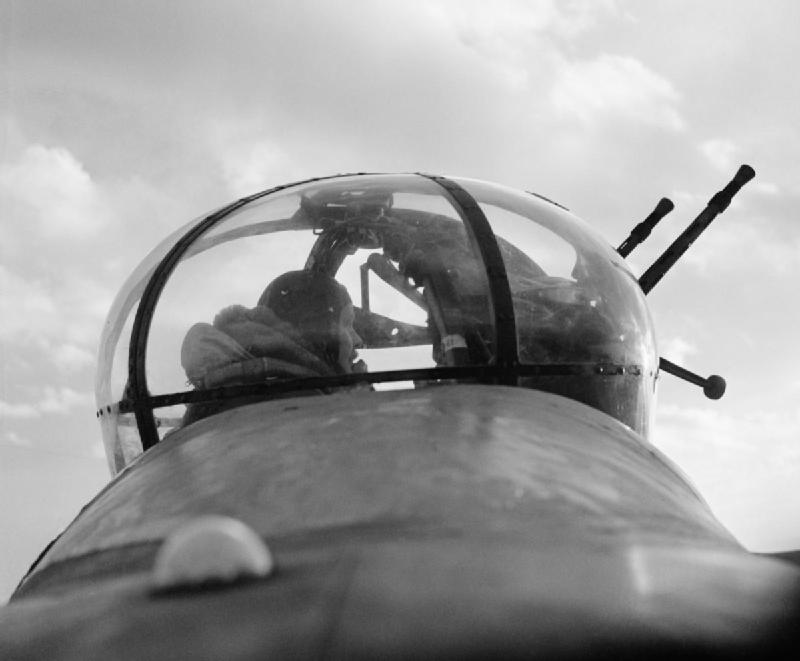
Mid-Upper Turret gunner is Warrant Officer Dennis Cross, another RAFVR man, a veteran aged 22. A sits on a canvas sling seat behind two .303 machine guns in a gun turret halfway along the top of the aircraft and will be constantly scanning the sky for enemy aircraft.

Mid-Upper Gunner in his Turret.

Mid-Upper Gunner in his Turret.

The Navigator is another of the Australians, Flight Lieutenant Watson Loftus DFC RAAF is from Homebush in New South Wales. At the moment he is settling into his position, getting the charts sorted and warming up the various electronic navigation aids. His DFC was only awarded on the 21st April and he too is a 22-year-old veteran.

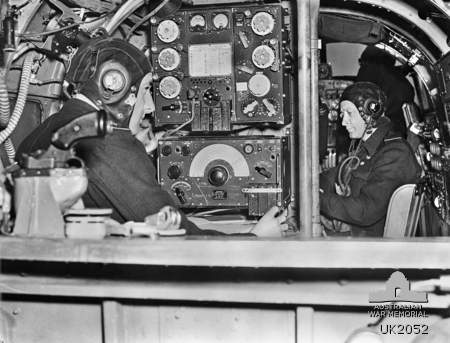
Almost next to the navigator sits Pilot Officer Newman Higgins from Earlwood New South Wales, the Wireless Operator/Air Gunner who is also switching on and tuning in his radio equipment. He is the baby of the crew at 20 years of age.

Wireless Operator and Navigator at their stations.

Wireless Operator and Navigator at their stations.

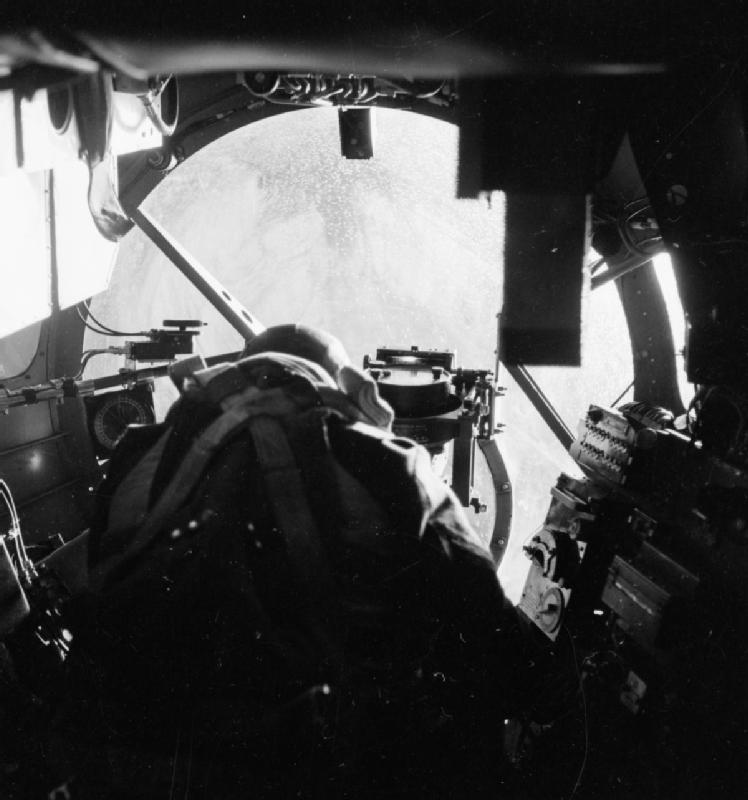
Finally there is the bomb aimer, Pilot Officer Robert Dobbyn, 21, from Queensland Australia. He will be up in the plexiglass nose once the plane takes off, but that’s forbidden during takeoff and landing. So he jambs himself into a corner behind the main spar in the middle of the aircraft, he tries not to think about the bomb load directly under his backside.
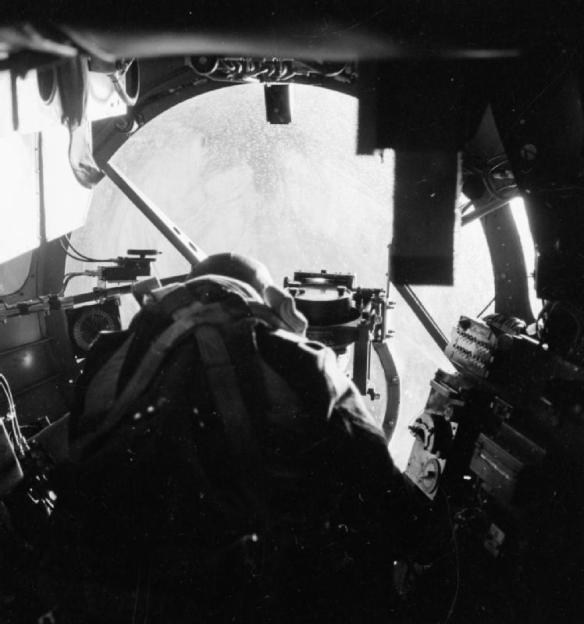
A Lancaster Bomb Aimer looks down to the target.

A Lancaster Bomb Aimer looks down to the target.

20:45hrs
A green flare from the Control Tower announces that the mission is on. Allan Whitford signals to the ground crew and one by one the powerful Rolls-Royce Merlin engines cough into life. Harold Millard, watches the gauges intensely as the pressures and temperatures rise; electrical charge is good all magnetos are behaving and hydraulic pressures look fine. With hydraulic power the gunners check that their turrets move freely.

One by one the pilot calls each crew member on the intercom to confirm their readiness; six “OK’s” reply and now they wait, the air pulsating with the throb from the mighty engines, palms sticky with nervous sweat, throats dry.

21:00hrs
Another green flare and the aircraft begin to move towards their assembly points, ready to thunder down the runway and take off.

21:10hrs
ND818 pauses at the end of the runway as the aircraft in front, OL-V begins it’s take off run.

21:12hrs
ND818 moves into place at the end of Coningsby’s main runway 08/26, at over a mile long it should give the heavily laden bomber plenty of time and space to claw itself into the air.

Last minute checks are called, their voices clipped with tension, now Allan Whitford must safely get his crew on their way. He scans his instruments and glances at his Flight Engineer;
“Altimeter?” “Set.”
“Auto?” “Clutch in, Clock, Spin.”
“Pitot heater?” “On.”
“Trim?” “Elevator forward, rudder neutral, aileron neutral.”
“Props?” “Fully up.”
“Fuel?” “Tanks full, master cocks on, tank selector two, cross feed off, booster pumps on.”
“Superchargers?” “Mod.”
‘Air intake?” “Cold.”
‘Radiators?” “Auto.”
“Flaps?” “Take off, 15 degrees.”
“Mixture?” “Rich.”
“Mags?” “All good.”
“Hydraulics?” “Good.”
“Bomb doors?” ” Closed.”

The radio crackles in his ear, “T – Tommy, clear for take off.” “Roger, cleared for take off, rolling!”

Whitford pushes the four throttle levers fully forward, the Flight Engineer has his hand behind his Pilot’s to ensure all throttles move smoothly together, the port side engines are given a touch more throttle to counter the aircraft’s tendency to swing to the left. Both men watch the gauges as the engine boost pressures rise and the revs climb to 3,000rpm. In the rear of the aircraft the noise is incredible from the four 1280hp engines straining against the brakes.

The flying controls. Throttle levers in the middle, control column on the left.

The flying controls. Throttle levers in the middle, control column on the left.

“Brakes off, rolling.”

The heavy bomber at first slowly, then rapidly accelerating, begins it’s dash along the darkening runway.
The tail rises quickly as Flt Lt Whitford guides the leviathan down the centre of the tarmac strip.

Millard calls out the Indicated Air Speed; “50, 70, 80, 90, 100, 105, rotate.” Whitford pulls firmly back on the control column and the 60,000lb aircraft takes to the sky. It’s 21:16hrs.

Millard, “130.” This is the safety speed. “Landing gear up.” “Roger, gear up.”

At 500 feet altitude Allan Whitford raises the flaps and adjusts the trim. Speed is now 160 knots I.A.S., nearly at 175, the best for climbing.

21:20hrs
On the ground the next aircraft takes up it’s position, a golden sunset lights the western sky silhouetting and caressing T-Tommy as she departs and climbs towards the heavens.IMG_0408
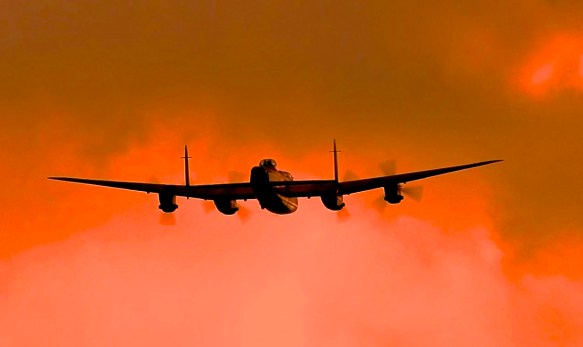
On board ND818 there is still work to be done, but the anxiety of take off loaded full of bombs and fuel is behind them. Soon they reach the rendezvous point and circle to formate with the other squadrons taking part in the mission.

It’s largely an Australian affair tonight. The raid comprises of aircraft from 463 and 467 Squadrons which are both Royal Australian Air Force units, whilst “83” will lead the show by marking the target with flares. Initially the “Master Bomber,” who is flying a super fast Mosquito, will drop small flares known as ground markers, then it’s down to the crew of ND818 to further mark on these with more flares and bombs whilst the other two squadrons will come in at a higher altitude for the main attack.

22:40hrs
T-Tommy crosses the English coast at Portland, heading South West towards Nazi skies.

Robert Dobbyn is now lying at his bomb aimer’s position in the nose, looking down and calling landmarks to Navigator Loftus. Then comes the call that really heightens the tension.

23:20hrs
“Enemy coast ahead!”

The gunners strain their eyes just a little bit more, searching for any enemy night fighter that may be stalking amongst the clouds.

The dark French countryside passes beneath them as ND818 begins to descend to 6000feet and the attack.

The target is located South across the bay from the city of Brest. Originally it was a French Airforce seaplane and training base, but now in the hands of the Luftwaffe it homes German fighter bombers, convoy raiders and possibly a few night fighters. Intelligence reports from the French Resistance, the Maquis, indicate up to 190 german aircraft are resident.

00:01hrs 9th May 1944
The Master Bomber is now almost at the target.

Searchlights probe the sky and anti-aircraft fire, known to the crews as “Flak,” begins to spray upwards into the night.

The sky in the target area has a scattering of clouds, but the view of the airfield is good. The first flares are dropped by the Master Bomber who circles his aircraft to check the accuracy; then he calls in “83” to continue the job.

Ahead of ND818, sister Lancaster OL-V begins its run. Tail Gunner Clayton Moore realises that they are not alone, he has spotted a German Nightfighter closing in on them from below and behind. “Corkscrew left,” he screams into the intercom. His Pilot throws the heavy plane to the side in a desperate attempt to throw the attacker off. Moore can see that the Fighter is still with them; “Flaps!” The plane shudders and almost stops dead in the air as the flaps extend and violently slow the aircraft. Caught unaware the German plane narrowly shoots over the top of the rearing bomber as the Mid-Upper gunner lets fly a burst of fire at it with his twin browning machine guns. “That was bloody close,” someone says as silence returns and V-Victor circles to resume its attack.

The airfield is now well-lit by more flares and smoke rises into the night sky.

Flight Lieutenant Allan Whitford and his crew begin their attack.

Robert Dobbyn lies in the nose concentrating on positioning the flares on the target, the aircraft needs to fly straight and level for ten seconds; the gunners continue to scan the sky; Harold Millard watches the engine instruments in case any show signs of being hit by the shards of metal from the anti-aircraft guns, he’s also ready to assist his pilot in case he is wounded at a critical moment. Navigator Watson Loftus can only sit at his post ready to plot the course home, whilst Wireless Operator Newman Higgins is concentrating on the various radio messages between the aircraft.

The bomb-bay doors of T-Tommy slowly open.

The anti-aircraft fire grows thicker, ND818 is buffeted by the mid-air explosions as evil strands of tracer fire appear to lazily climb into the night sky from all directions.

Dobbyn strains to see the target through his bombsight, line the cross hairs up, then press the release button to drop the flares.

00:15hrs 9th May 1944
Immediately above the target, there is a bright flash in the sky. . . ND818 and her crew vanish in a bright orange ball of light.

8th May 2015
58 Lancaster and 6 Mosquito Bombers attacked the target, only one failed to return.

The bodies of Allan Whitford and his comrades were found the next day by the German defenders and given a full military funeral in the local cemetery. Today their graves are tended by the community of Lanvéoc with support from the Commonwealth War Graves Commission.

Next Tuesday we are going to visit them, pay our respects and let them know that they are not forgotten.

83 Squadron, “Strike to defend.”

Per Ardua Ad Astra.

The Next Little Trip

Regular blogonaughts of these pages will hopefully remember the pilgrimage trip that we made last April to the Somme Battlefield in Northern France, in order to trace the footsteps of my two Grandfathers.

As I explained at the time, it was my attempt at making sense of some of what they were both involved in nearly 100 years ago and the sequence of posts hopefully gave you all an insight into what I found.

Now here we are, just over a year later and a number of things have fallen into place for me about those dark, far off, days. Further research has uncovered couple of snippets;

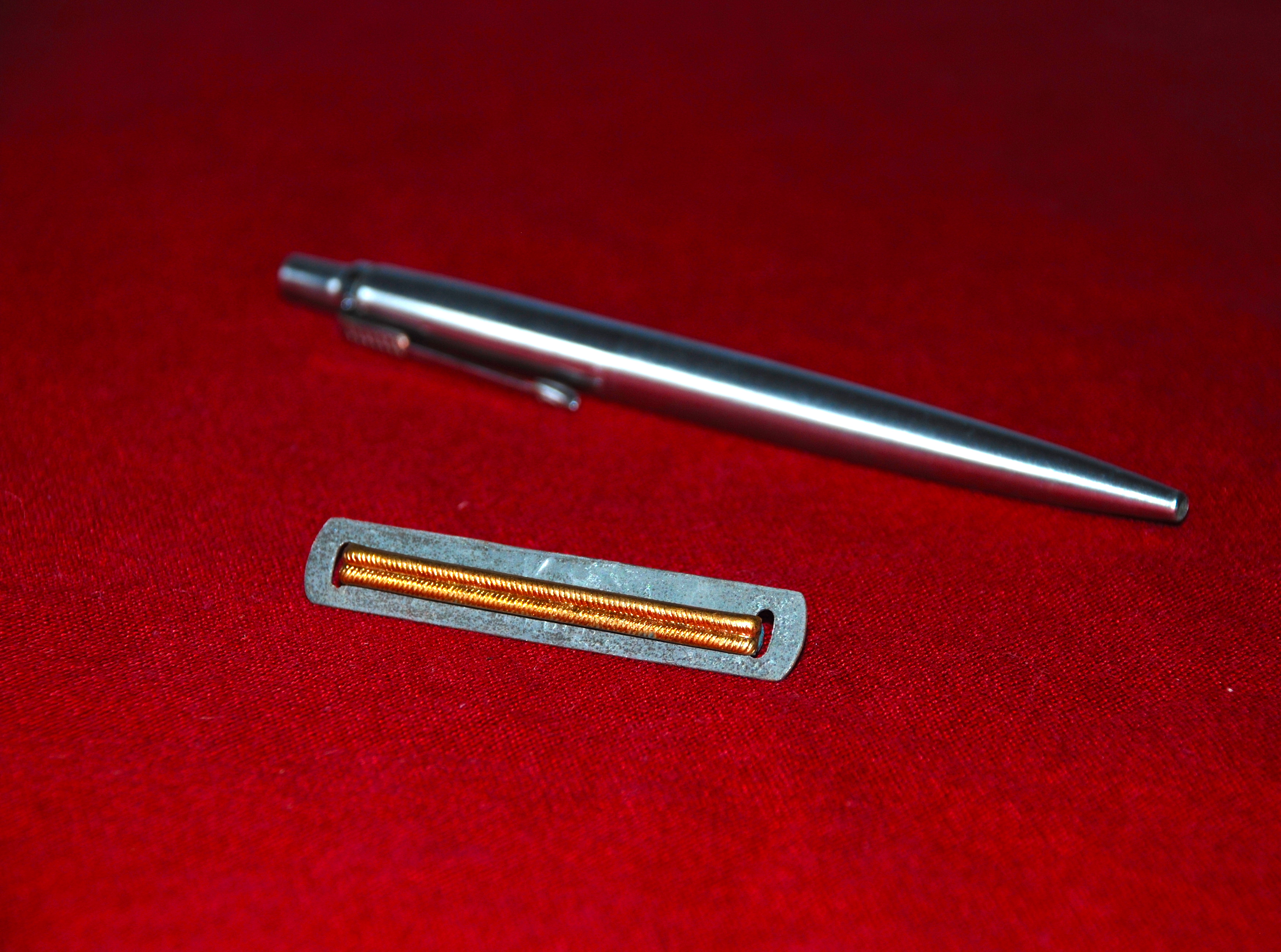
Grandfather William was awarded a “Wound Stripe,” after stopping a piece of shrapnel with his head whilst in action near Nieuport in 1917! The stripe was a metal badge worn vertically on the left uniform sleeve and signified that the wearer had been wounded in combat. The British Army started awarding them in 1916 but stopped after the end of WW1. Some were also issued after D-day in 1944, but were discontinued after 1946. The fact that William was awarded the stripe is a detail that no-one in the family appears to have been aware of, up until now! I have managed to obtain a genuine, but unissued, WW1 wound stripe that I am going to mount along side his medals and insignia; one day it can pass to one of his Great granddaughters, my nieces, if they ever show any interest. If not then the collection can be sold in aid of veterans charities.

WW1 Wound Stripe,  out of focus pen for scale.

WW1 Wound Stripe,
out of focus pen for scale.

Searches in the Public Records for Grandfather Charles have also been interesting. I found out that he and his unit of the Royal Field Artillery is recorded as “Entering Theatre, France,” on the 12th May 1915.

Now that got me thinking. . . That’s exactly 100 years ago next Tuesday!

I haven’t been able to find out where Charles first “Entered Theatre,” but you can bet it was probably at one of the French Channel Ports. I can just imagine the scene as men, equipment and horses were all being unloaded from a ship. The more I have thought about it, the more I feel that I just have to be in France next Tuesday; nowhere specific, just in France 100 years on.

I shared my feelings with my oldest friend, known in these pages as “Vifferman,” he gets it and is going to ride with me again. It’ll be cool.

We are going to pop over on the night ferry to Roscoff, have a little ride around, then go pay our respects to some guys from another conflict that never made it home, then we’ll come back. I’ll tell you all about that in another post, be great if you ride with us.

Until then, gotta dash and polish Harley for a special day out!

Catch you all soon.

Dookes

PS Serious stuff this, so no Rock n’Roll.

Gremlins!

I first published this post way back in 2015!

Following a comment this week from my blogging friend Michael Green, I thought that I would revisit and update it as things in the Gremiln world have moved on a bit since 2015!

Now with Gremlins I’m not referring the  fictional characters in the Hollywood films of the same name. These little fellows are real and play havoc with all kinds of electrical and mechanical equipment.

It is believed that these little creatures first came to notice during the First World War between 1914 and 1918. Perhaps the activities of the war released them from an underground lair? Certainly they were documented by the Royal Air Force in the 1920’s, when the Gremlin delectation for mischief with aeroplanes and engines was further recorded.

During World War II aircrew of the RAF blamed Gremlins for inexplicable occurrences during their flights and missions. Members of the United States Army Air Force also began to experience the exasperating effects of these Imp like little devils. There was even a view that Gremlins had enemy sympathies, but investigations subsequently revealed that enemy aircraft had similar and equally inexplicable mechanical problems; they were just as prevalent in the Luftwaffe and Imperial Japanese Airforce!

It appeared that Gremlins were equal opportunity beings that took no side in the battle; rather they acted in self-interest wreaking their mischief on whoever came into their range.

Since the end of the Second World War the opportunity for Gremlin mischief has literally exploded. The world is now a much more mechanical and electrical place, giving even the most inept trainee Gremlin the chance to practice their dark skills. Since the demise of powerful piston engine aircraft, there is however, one machine that Gremlins love above all others. . . Motorcycles!

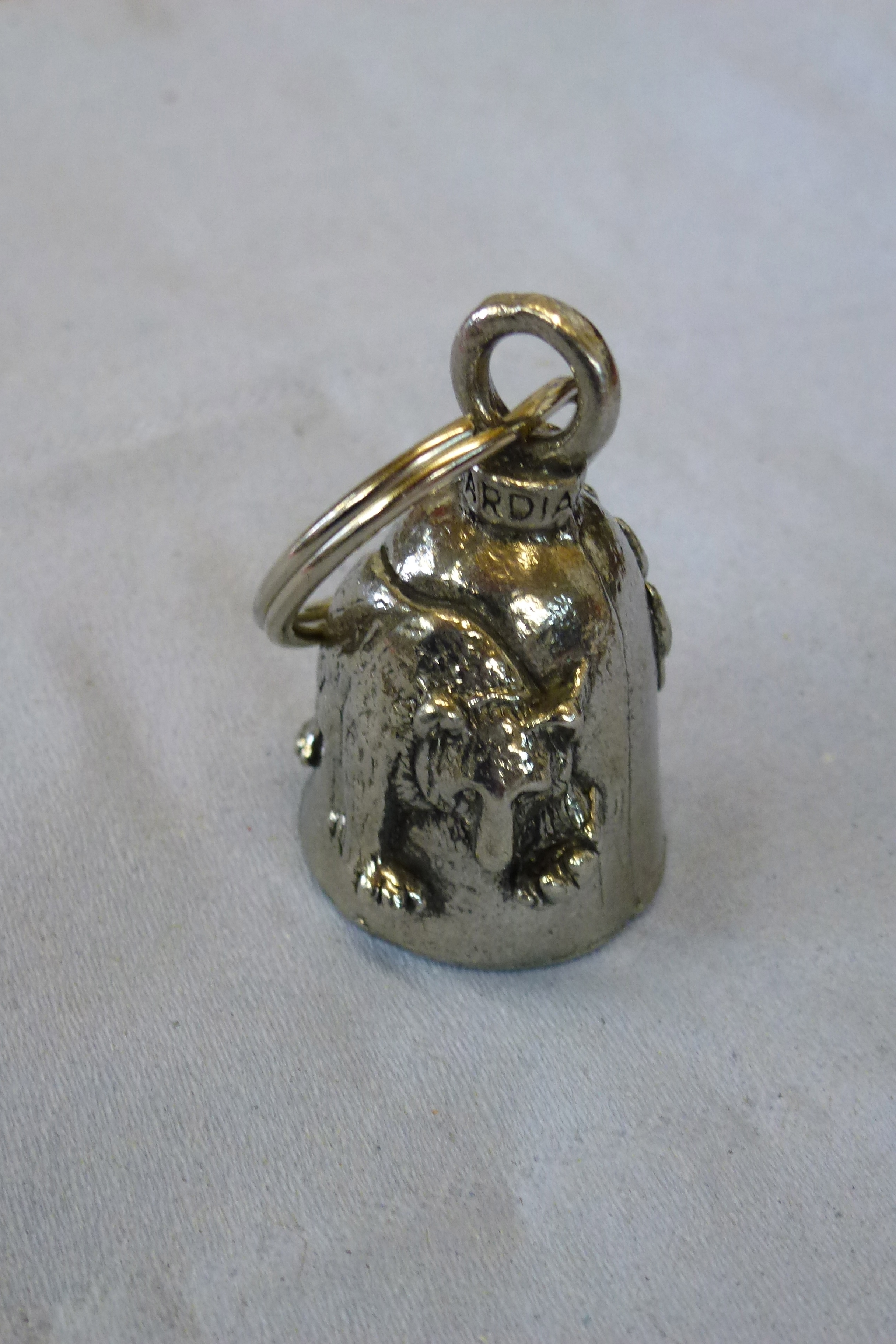
Gremlins are now known to be evil road spirits. They jump onto passing motorcycles because they love to ride, feel the wind in their ears and the vibrations of the engine, they are often the cause of many problems endured by bikers. There is however, hope. Many years ago an old biker discovered that Gremlins hate the sound of a small ringing bell. There are many versions of the story of how this happened, but it appears that the evil road spirits can’t bear the ringing and that they get trapped in the hollow body of the bell. Then their hypersensitive hearing and the constant ringing in a confined space drives them insane and they lose their grip and eventually fall off.

Over time it has become apparent that these bells have even more power if they have been received as a gift; sure they work fine if you buy one yourself, but for maximum protection you really need to receive one from a friend or loved one as a gift. That way the magic is doubled, because out there somewhere, you have a friend looking out for you.

So next time you walk past a motorcycle, take a look and see if you can spot a small bell, either on the handlebars or maybe on the swing arm. Whenever you see a biker with a bell you will know that they have been blessed with the most important thing in life, love and friendship. The spirit of camaraderie and brotherhood between bikers is what the ride bell encompasses.

P1030523

So you can imagine I was pretty happy when Mrs Dookes presented me with this little beauty to hang on Hettie.

P1030524

…..and then another one for Harls!

As you can see, I took the picture of Hettie’s bell when it was new and before I fixed it to her.
Harls bell shows it has done quite a few miles!

IA word of caution though…f you steal a bell from a biker, you steal all the gremlins and the evil that comes with them. So don’t do it, the consequences could be dire!

“You got me ringing hells bells.”

Catch you soon.

Dookes

Flower Power

First up, this post isn’t about motorbikes, rather it’s about one of the reasons that I turn the bars towards home at the end of a ride!

I have often commented in the blog about our garden here at Dookes H.Q..

It’s a rambling plot of about two acres, which is pretty large… OK, enormous, by average U.K. standards! I never take for granted our piece of Cornwall, it’s a haven from the hustle of day-to-day life and a bit scruffy in the quaint way that old cottage gardens are. Here you will not find regular sized borders with neat rows of herbaceous blooms, but rather random mixes of trees, fruit bushes, flowering shrubs and vegetables.

Wild flowers bloom during the Spring in various nooks and crannies, whilst birds and other wildlife share the real-estate with us, our dogs, chickens and ducks!

The garden has sort of evolved, I never really sat down and planned anything in totality. Trees were planted here and there, a hedge grew from cuttings and soft fruit bushes were placed in the sunny lea of it. Norway Firs got planted because it seemed a good idea to grow our own Christmas Trees! It’s all been rather random really, but I like it!

Anyway, enough of these inane ramblings!

I had just finished cutting the grass the other evening when stuck by the beautiful light, one of the benefits of being near to the coast, I took a wander around the garden and grabbed a few photos of the seasonal blooms on show. I hope you won’t mind me sharing some of them with you.

It’s funny, but no matter how many intended plantings we have, it’s the wild flowers that really captivate me. These are the plants that nature has chosen to grow here, mostly uninvited, but always welcome wherever they decide to struggle to life from wind-borne seeds. Their bright cheerful colours seem to be concentrated and amplified by the clear Spring air.

In the ancient hedges small intense blooms compete to attract visiting pollinators

Red Campion, Silene Dioica.

Red Campion; Silene Dioica.

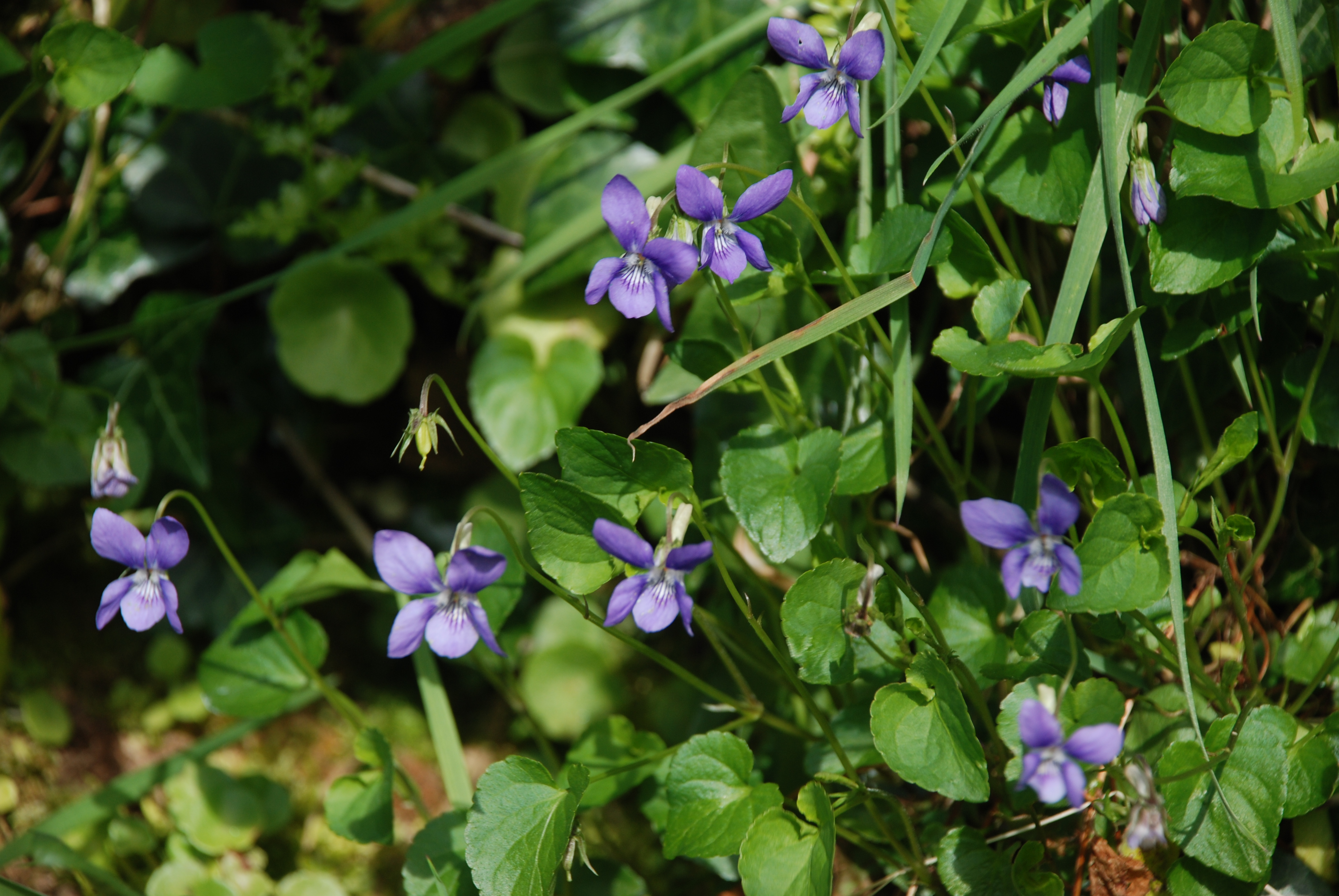
Common Violet, Viola odorata.

Common Violet; Viola odorata.

Away from the hedgerows, some of my favourites can be found amongst the longer un-cut grass.

Cowslip; Primula veris.

Cowslip; Primula veris.

This next one is a real little beauty, with delicate petals, subtle colouring and delightful fragrance it’s welcome here anytime!

Ladies Smock; Cardamine pratensis.

Ladies Smock; Cardamine pratensis.

The seasonal fruit blossoms are also joining in by contributing to the carnival of chromaticity!

Wild cherry; Prunus avium.

Wild cherry; Prunus avium.

Crabapple; Malus sylvestris.

Crabapple; Malus sylvestris.

Thanks for drifting through this little gallery with me, Spring is well underway as you can see. Now all I have to do is hear the first cuckoo!

“If there’s a bustle in your hedgerow, don’t be alarmed now, it’s just a spring clean for the May queen.”

Catch you soon.

Dookes

Springing Forward and Coast Update.

Hello everyone!

OK, apologies first…

It’s been nearly a month since I last posted on the blog; that old problem of life just getting in the way of everything again I’m afraid! I’m sorry I have been “Off Air” for a bit, but I’m back now and have some lost ground to make up.

So what have I been up to?

Well, the seasons are marching on and here in the South West corner of England Spring is setting in with a gentle vengeance. We have lambs joyfully leaping around in the field behind Dookes H.Q. celebrating their new care-free lives; the trees are bursting into leaf and the early cherry and crab-apple blossom is beginning to show from dormant buds. Birds are busy squabbling over the best nesting sites and I have even had to cut the not inconsiderable acreage of grass at Dookes H.Q. a couple of times too. The last of the post-winter garden tidy up is nearly finished and best of all, the sound of my Harley Davidson’s engine has been singing it’s “Milwaukee Music” around the country roads that I love!

Yep, it’s always good to ride… but sometimes in the Spring is best of all!

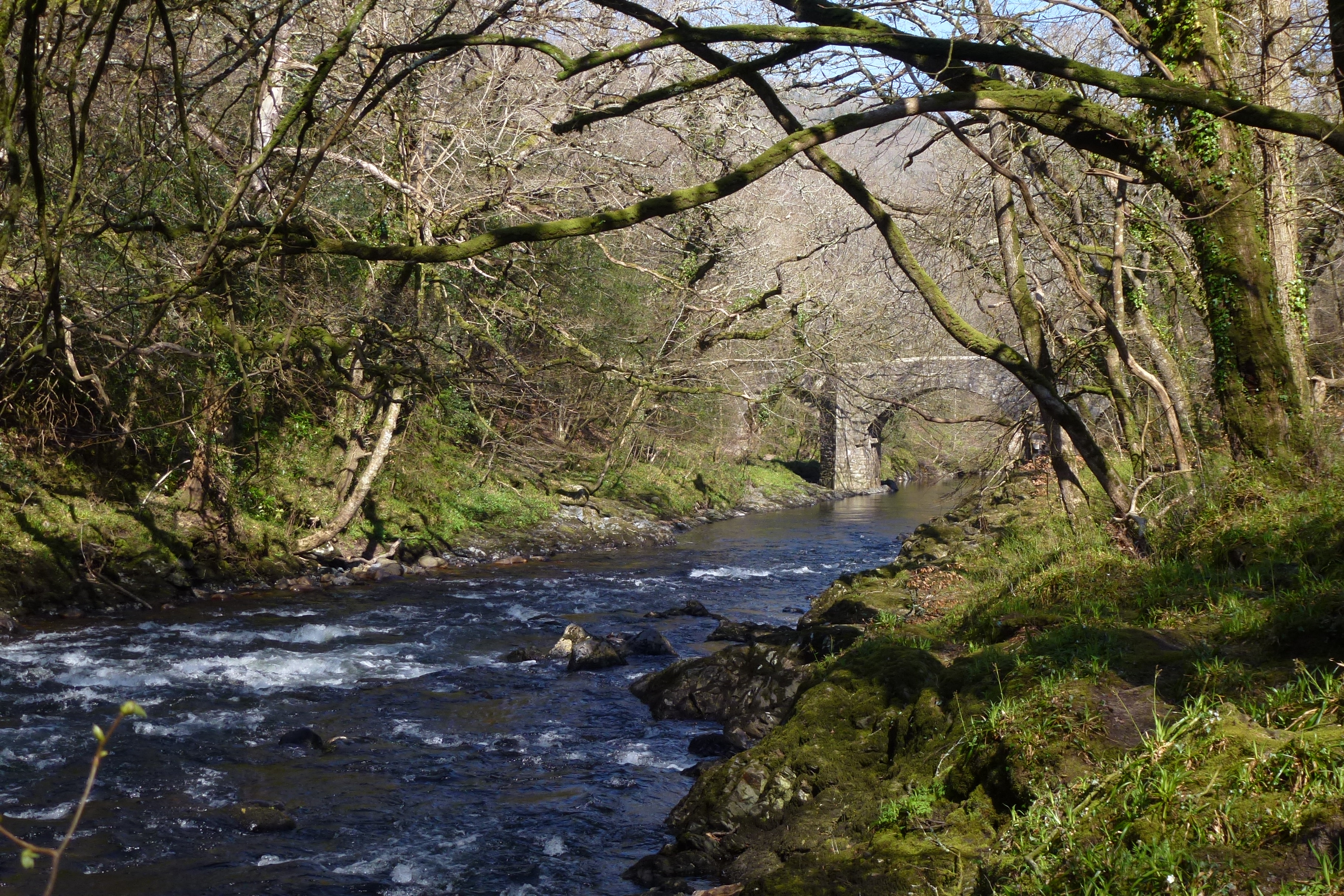
A couple of weeks ago I took a long, meandering, ride over Dartmoor. Instead of heading for my normal haunts of the high ground, I thought I’d take in some of the valley scenery before the hoards of tourists arrived!
This is Holne Bridge over the River Dart near Ashburton, taken just before the trees started to really green up.P1030487

I have certainly been clocking up a few miles and not just aboard the ride-on mower either. The world, for me, certainly looks better from behind a set of handle bars. It gives me time to get my head clear of all those things that we often think are important, but in reality are not. Time to concentrate on staying alive and living this one life in the way that I choose.

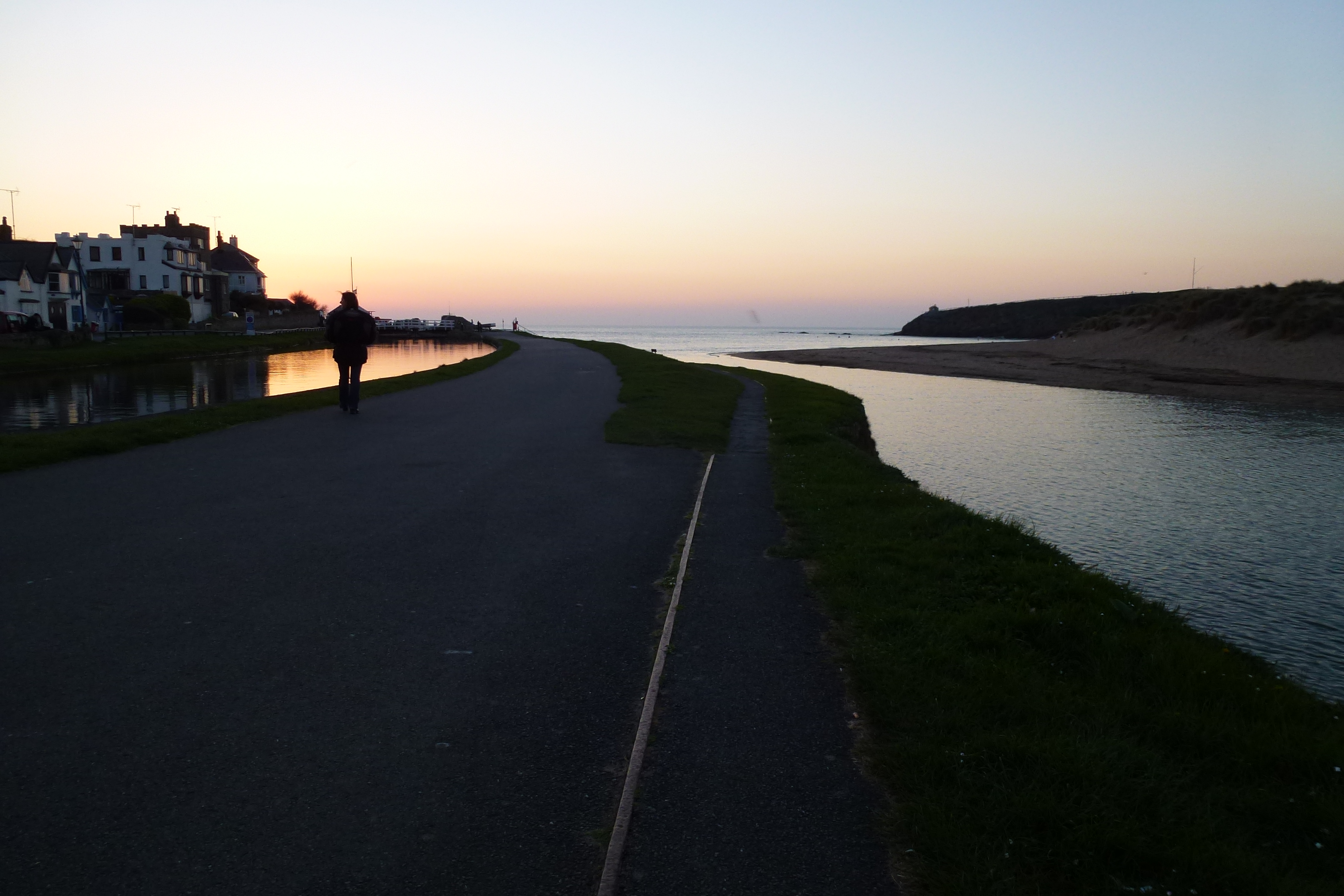
The longer days bring the bonus of light evenings and the opportunity to watch the sun take it’s daily dip into the Atlantic Ocean in often glorious golden hues. Last Tuesday we popped over to Bude on the North Cornwall coast about twenty minutes from Dookes H.Q. by Harley and were treated to a delightful sunset.

The remaining section of the old Bude Canal enters the ocean by a sea lock and provides interest to the scene.P1030510
Whilst in the bay boats rest on their moorings as the sun disappears into the sea; if you listen carefully you can sometimes hear the hiss!
P1030513

To the left and noticeably lower than the canal, the River Neet runs it course, whilst the old rails of the narrow gauge hay tramway glint in the last rays of the sun.P1030508
All that was left to do then was to mount up and enjoy the ride home, life can be tough sometimes!

“See me ride out of the sunset, on your coloured TV screen.”

Catch you all soon.

Dookes

Triumph and Contrast

Photography 101. Final Assignment: Triumph and Contrast.

I really had to scratch my head with this one.

I thought of getting back to the motorcycle theme and grabbing a shot of a Triumph Bonneville, but that would have been too corny!

Until today all of my photos for the course have been fresh and newly shot just for Photography 101. I had hoped to go for a full house, but today something kept drawing me back to a couple of shots from previous road trips and on a purely personal level both scream out “Triumph” to me.

The first is the summit marker on Col du Galibier, in the French Alps.

When I was young, my friends and I avidly followed the great cycle race that is the Tour de France. There was no television coverage of Le Tour in the UK back then. We had to get our race updates from the sports pages of daily newspapers, which didn’t always carry much up to date information at that! Our idols were the great Eddy Merckx, Bernard Hinault and Joop Zoetemelk and many other too.

Amongst the magical places on Le Tour that we learnt about were the great Cols of the Pyrenees and the Alps; it certainly did our school geography no harm at all! Greatest, most famous and certainly legendary above the rest was the magical Col du Galibier.

I dreamed of cresting that climb on two wheels, emulating my heroes and just standing where they had passed.

Many years later I was able to do just that, OK I did cheat a bit because my two wheels by then had acquired a great big Harley Davidson engine between them… but I did go there on two wheels!

I’ve been back many times since, each time is special, each time my eyes fill with emotion and each time I give thanks that I’ve been able to return to my special spiritual place; it’s my enduring “Triumph!”

Col du Galibier

Col du Galibier, colourful contrasts.


My second “Triumph” is a shot of my beloved Softail sitting by the beach at Carantec in Brittany, France. Again this is another special spot. It’s the place that I go to at the end of every big Continental Europe road trip, somewhere just to collect my thoughts and memories before getting onto the ship back to the UK and home.

So here is Harley loaded with my travel bags and carrying an honest patina of road grime accrued over a few thousand miles of riding.

I can hear in my own mind the gentle metallic music of her engine ticking as she cools down contentedly, knowing that she has Triumphed in bringing us both back safely again.

Carentec beach.

Carantec Beach.


Oh did I tell you before that I love that bike?

Thank you sincerely to everyone who has been riding with me on the Photography 101 course. I really appreciate your feedback and honest comments and would love you to ride some more with me.

“The river flows, it flows to the sea.
Wherever it goes that’s where I want to be.”

Dookes

Double Take

Photography 101. Todays assignment: Double

In the cosy corner of an English pub, is the small room known as “The Snug.”

Here a log fire fills the room with warmth and the homely smokey aroma of burning oak.

Old men gather around the ancient table and play dominoes as they sip their pints of local ale.

How many games has this weathered table witnessed, how many devious blocking moves, how many triumphant calls of “Domino!” have bounced off its warm patina? The men care not, but focus on their game scoring the points with each successive draw.
The game pauses and the tiles rest a moment…

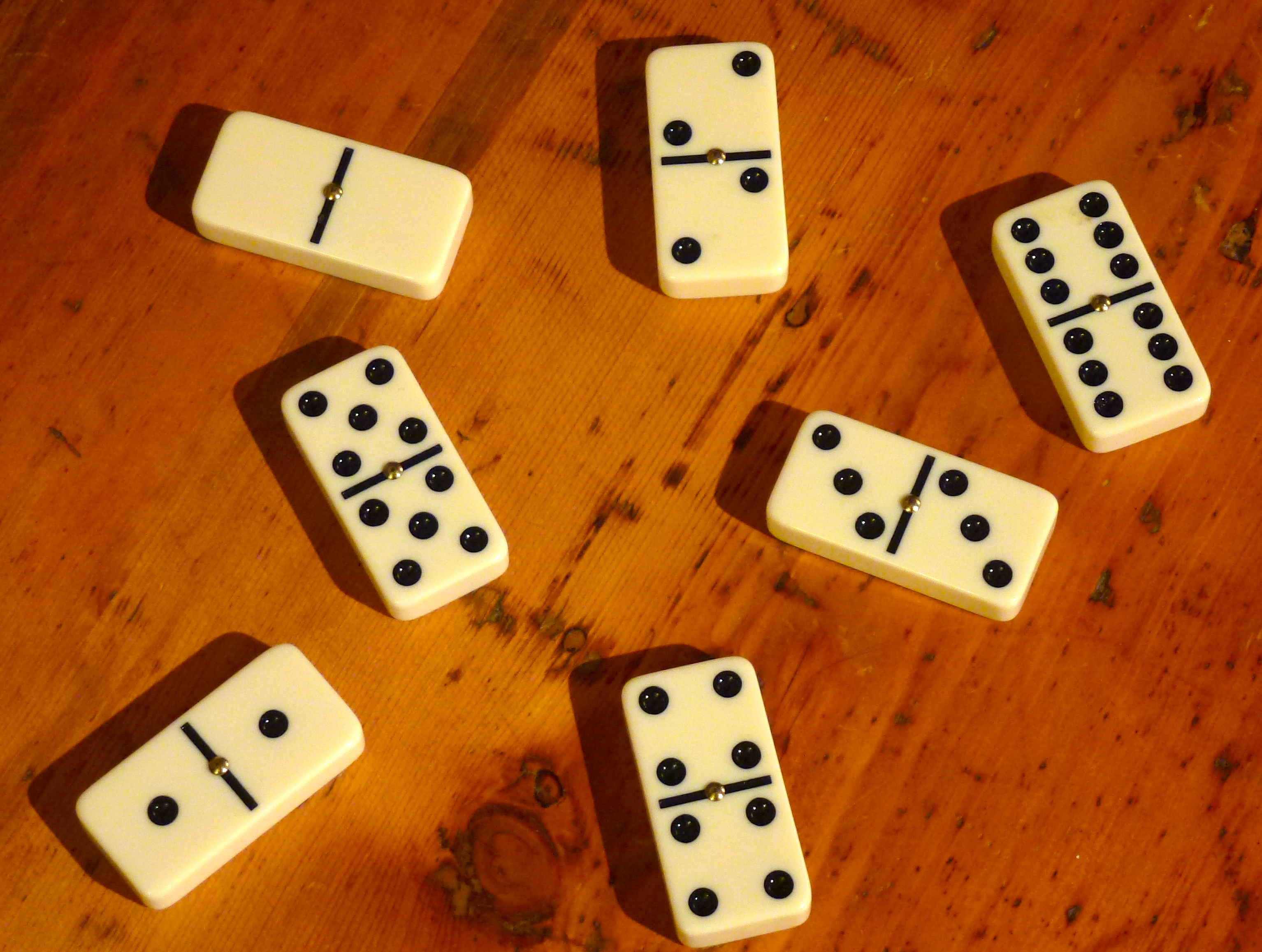
The photographer captures the doubles at rest. It’s a double take!

Double Take!

Double Take!

Cheers!

Dookes

Edge

Photography 101. Todays assignment: Edge

Today, Cornwall has been blessed with the most beautiful Spring weather. Luckily, I have been outside all day enjoying it, best of all getting paid for the privilege!

Whilst out and about, I have been musing over the concept of “Edge.”

I had a few ideas, but early this afternoon whilst taking in the view, inspiration grabbed me and I captured this shot.

It's Edgy!

It’s Edgy!

I like the way that the barbed wire and the top fence rail define the edge of the field.

Please let me know what you think…

Catch you all soon,

Dookes

Glass

Photography 101. Todays assignment: Glass

Half full, or half empty….the glass that is!

It’s been a bit of a fraught day in my world and making time for much creative photography has, I’m afraid gone out of the window.

Yes wine glasses came to mind after my day of grappling with uncooperative machines; then beer glasses!

Then I remembered my friends and neighbours, Alan and Julie. Literally a few minutes walk to their studio and I was transported to a world of mellow blues, vibrant greens and deep warm crimsons. You see, these two incredibly talented artists who live very close to Dookes H.Q. work in glass, beautiful, beautiful, coloured glass.

Julie’s work is best described as Contemporary Mosaic, whilst Alan is a specialist in architectural stained glass and leaded lights.

The quick visit to their studio, apart from causing chaos whilst I generally got in the way, proved a fantastic source of inspiration. I really am very pleased to share with you some examples of their work. Please remember that they are the talented ones, I just took the photographs!

The original pieces were shot exactly where I found them, hanging in the daylight against the studio windows.
So first up, one of Julie’s, can you spot the Green Man?

The Green Man, backlit by the evening sun.

The Green Man, backlit by the evening sun.


And now a couple from Alan. How about an Angel, in traditional Victorian style.
Angel Stained Glass

Angel Stained Glass

This piece is quite iconic and one that Alan is known for, he trades as “Angel Stained Glass.”

Or perhaps you’d prefer some spring flowers?

Bluebells and Primroses.

Bluebells and Primroses.


Oh, yes; please also note that Alan and Julie own the copyright to their work, but if you would like to see more just click here for Alan and here for Julie and thanks to both of them for letting me loose in their studio!

Catch you all soon.

Dookes