Liberté, égalité, fraternité.

Liberty, equality, fraternity – the motto of France.

A nation that has this week been rocked by a number of unprecedented savage attacks against its citizens.

As many of you will know France is also a nation that I love deeply.

I love it’s geography,
I love it’s gastronomy,
I love it’s history,
I love it’s traditions,
I love it’s language;

but most of all I love it’s people.

I am blessed to have many friends throughout France and my thoughts and emails have been with them all during these past dark days.

To your motto I add one word from me: Solidarité.
Pour ta devise je ajoute un mot de moi: Solidarité.

I stand with you my friends. Je suis avec toi mes amis.

DSC_0186

Vive La France!

Je suis Charlie.

Le Tour 2014 A Commencé!

Hey it must officially be summer, the 2014 Tour de France has begun!image

I suppose you could add that bizarrely it started in Yorkshire, England…

Will Britain’s Chris Froome be able to defend last years title?image

Who will be King of The Mountains and who will win the Sprinters Green Jersey?

So stand by for an exciting three weeks of cycle racing around France as “Le Boucle” visits most parts of L’Hexagone and these questions are answered on the Champs Élysée!

I’ve just gotta persuade Mrs Dookes that I will cut the grass, after I’ve watched the race on TV…every day!

Dookes


Froome photo courtesy of Reuters.


98 Years Ago Today

The Battle of The Somme began, 1st July 1916.

It continued until the 18th November 1916, before petering out into a bloody, muddy stalemate.

In those few short months, over one million men, from both sides in the conflict, were killed, wounded or missing presumed dead.

Lest we forget.image

D-Day 70 Years On. Remembering Heroes.

When Harley and I visited Normandy earlier this year we were privileged to be able to visit some of the famous D-Day beaches and contemplate the events of 70 years ago when the liberation of Europe from Nazi dictatorship began. Much is said about the actual landings on the beaches, but I mentioned then about the contribution that airborne troops also made to the operation. Sometimes I feel that this vital contribution is not given the full focus that it deserves, because without it the whole operation would not have been the success that it was. I am not decrying what happened on the beaches, merely drawing attention to the oft forgotten massive contribution by the airborne operation

In the hours leading up to D-Day itself, 6th June 1944, 13,000 allied airborne troops either parachuted into occupied Normandy or arrived by glider under cover of darkness. They had set out from fifteen airfields across southern England and crossed over the English Channel in a massive stream of 220 aircraft that was described as being nine aircraft wide and five hours long! Soldiers from all of the allied nations were involved, but the majority were British and American. Let me tell you a little about one of those American soldiers.

Daniel L. Reiling was a classic Mid-Western American kid, he didn’t have the easiest of starts in life, he never knew his father and at times life was a little tough. Determined to get on in life he joined the U.S Army as a career soldier. He progressed well through the ranks and married a good-looking girl from Chicago, named Florine, whose father owned restaurants and whose mother came from Britain. By the time that the war in Europe was raging Daniel was a Sergeant in the 502nd Parachute Infantry Regiment. Soon he found himself and his men crossing the Atlantic to Britain on a troop-ship which constantly zig-zagged to dodge the deadly threat of Nazi U-boats. On arrival in the U.K. the troops were posted to various locations for more training and preparations. Some lucky ones managed to get leave, which Daniel did and took the opportunity to visit his wife’s family, though by all accounts the poor chap was suffering from influenza and spent a fair bit of his leave in bed being looked after by his wife’s uncle, my Grandfather William. You see now that there is a big family connection here!

Following his leave, Daniel returned to his unit and began the final preparations for the Liberation of Europe. His regiment was allocated to two airbases, RAF Membury and RAF Greenham Common. Unfortunately, we have not been able to ascertain yet exactly which one Daniel’s platoon was at, but we will! On the evening of 5th June 1944 the various airfields involved swung into action. At Greenham Common, General Eisenhower, the Supreme Allied Commander, dropped in to encourage the troops. IMG_0343Men and equipment were prepared and loaded onto the C-47 transport aircraft which at the assigned time taxied to the runways and began to take off. Sergeant Daniel L. Reiling and his men would have been dressed in full combat kit armed with a variety of weapons, they sat in total darkness inside the noisy vibrating fuselage of the C-47 as it took off and turned South towards Normandy.IMG_0342Once over the French coast the pilots took the aircraft down to the jumping altitude of 500 feet  The green jump light came on at 00:48 and Daniel threw himself out into the Normandy night, landing in a field near to Saint Martin de Varreville and set about making life difficult for the Germans! By 06:30 St Martin had been captured and shortly after the German garrison at Mésières was taken as well.  Five days later the town of Carentan was liberated after fierce fighting that included a bayonet charge. The 502nd then moved to assist in the capture of Cherbourg before stepping down for regrouping and rest, before rejoining the war and fighting their way across Europe, finally capturing Hitler’s private residence and many senior Nazis at Berchtesgaden in May 1945.

By the end of the conflict Daniel had been promoted to Master Sergeant and shortly after was promoted to Sergeant Major, one of the youngest in the Army. Later he was to see action in Korea and became an officer, finally rising to the rank of Major.

During WWII and the Korean War, Daniel was in a total of 13 major campaigns. In all that fighting he was wounded in the leg during the Ardennes offensive near Bastogne, but never received the Purple Heart. He won two Bronze and one Silver Star plus several other wartime decorations. Sadly, he died young in January 1969. I guess you could say he lived a full life, a real american hero, a John Wayne kind of guy. In our family we are all incredibly proud of him; none more so than my cousins, Florine, Peter, Paul and Marianne.

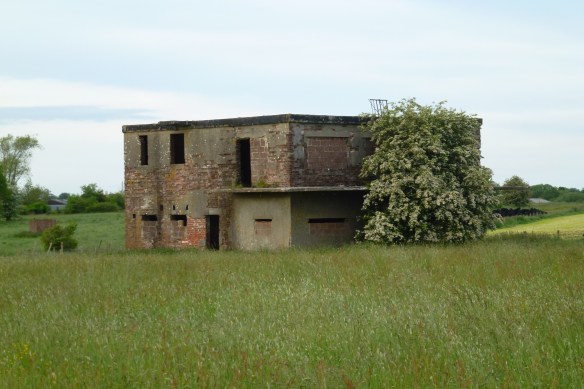
Over the last few weeks I have been able to visit the remains of both RAF Membury and Greenham Common. There’s not much left at either place to recall events of 70 years ago. There is however, another old base about 60 miles away from Dookes H.Q. that also played a prominent role in that airborne assault, RAF Upottery, here there is still quite a lot to see. Last evening I took the opportunity to make a pilgrimage with Harley and my mate Greg to the old airfield and remember the events that unfolded on that fateful night.

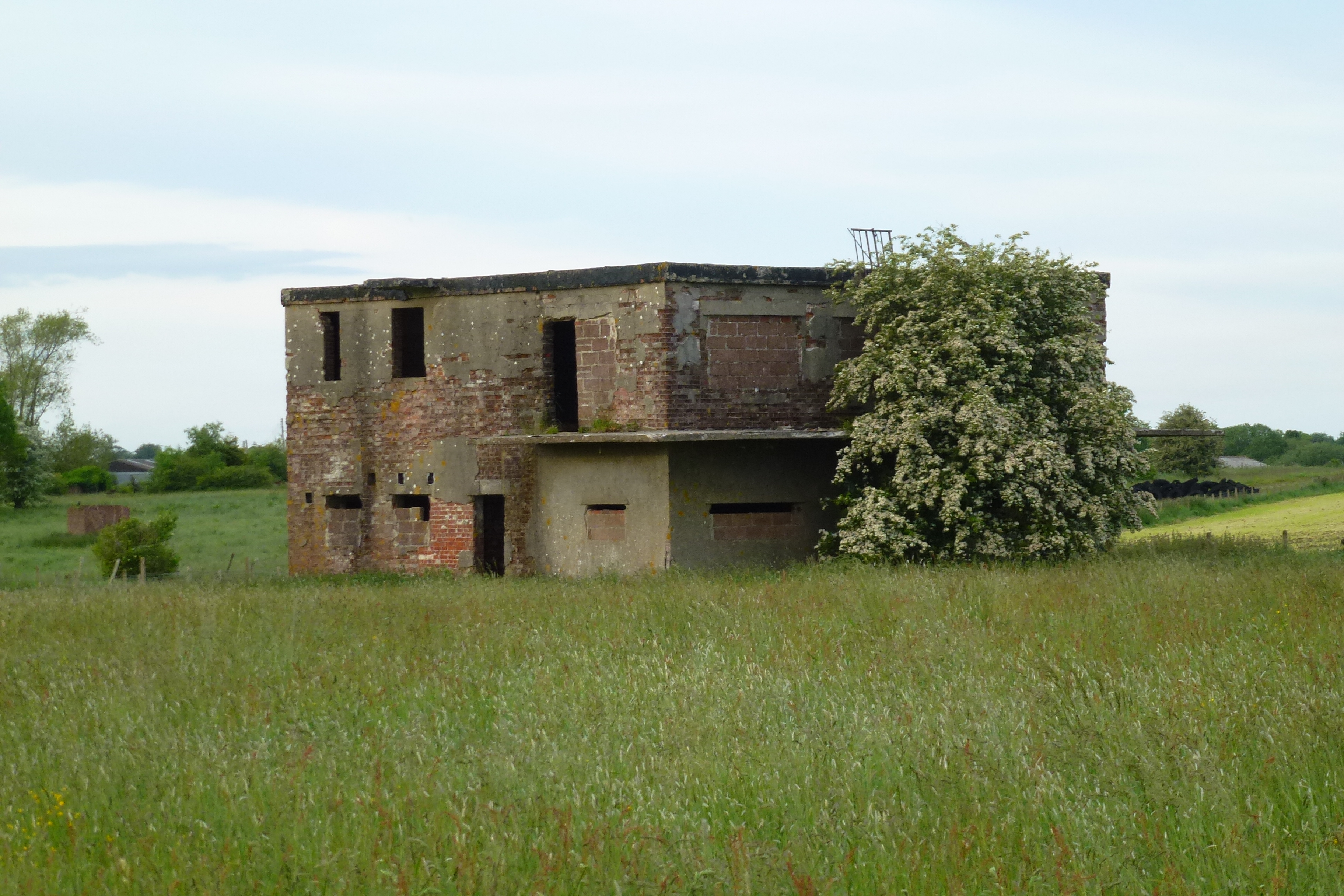
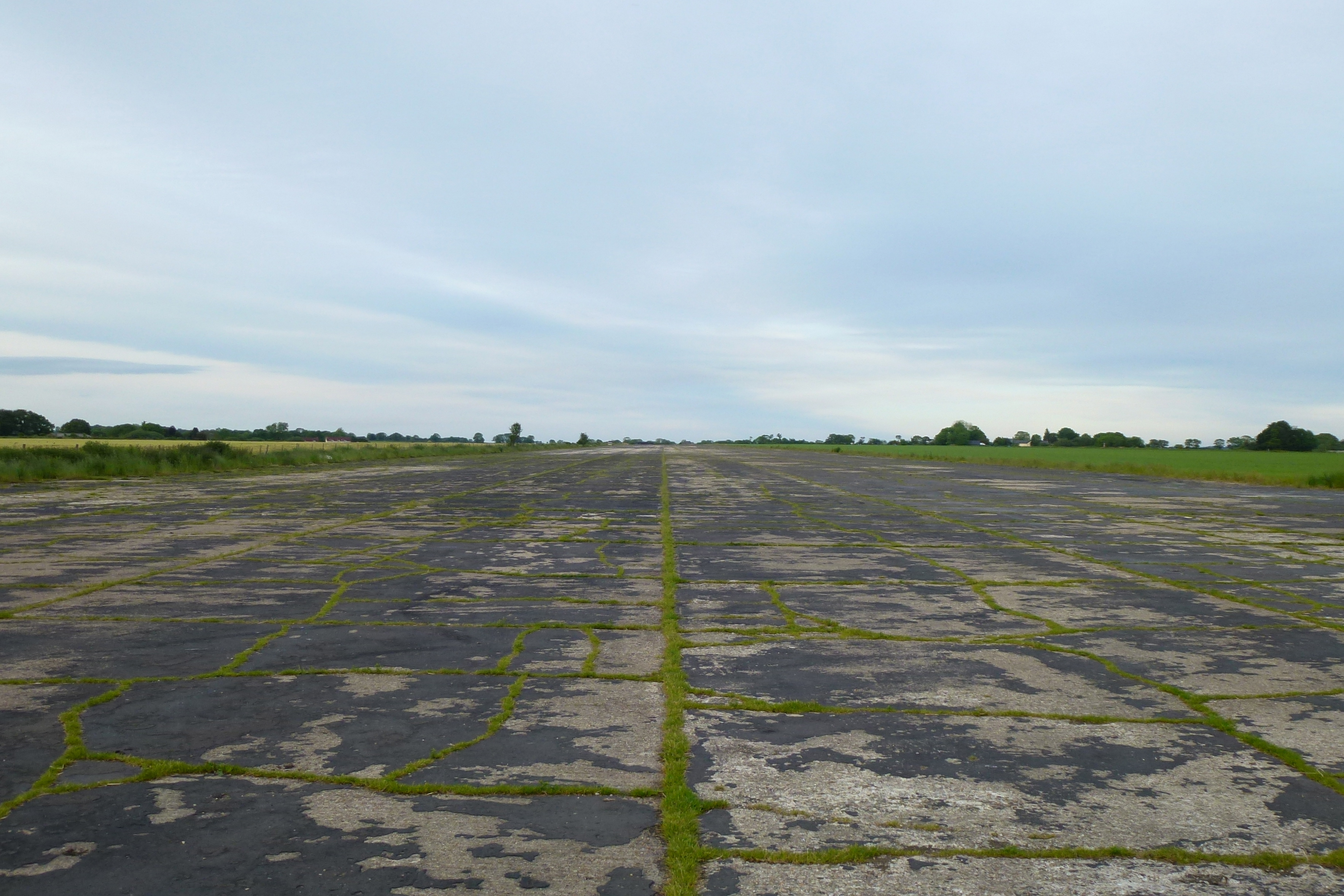
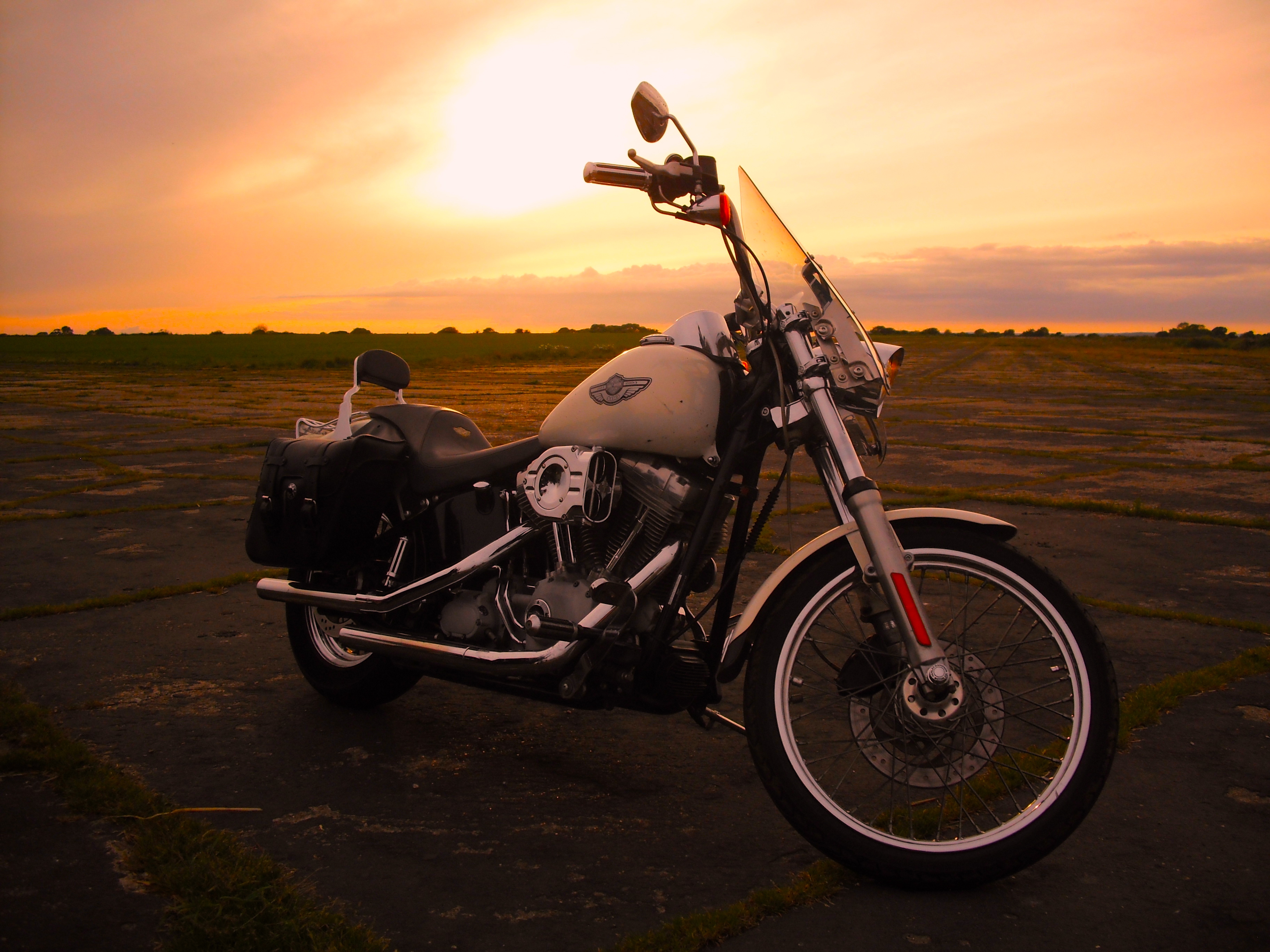
It was a super evening to be on a motorcycle and riding through the beautiful Devon countryside I pondered if it was like this all those years ago? An old sentry post is now a memorial to those young men who left to fight in mainland Europe. P1010770The old airbase was quiet and still and much has reverted to farmland, though the runways, control tower and a few other buildings remain. P1010774Just by luck we met the local farmer who gave us permission to go on the site. It was with some awe that I turned Harley onto the main runway, the strip of concrete and tarmac from which 81 C-47’s took off, this was hallowed ground indeed! It seemed fitting that an American motorcycle was visiting the place where so many young American soldiers took off, some never to return.
P1010782

In some places the grass is beginning to win.

P1010779

After spending some time soaking up the atmosphere, we decided to leave the ghosts of the past to enjoy the sunset. As we rode off the airfield we were aware of other people who were gathering to pay their respects as well. DSCF3394
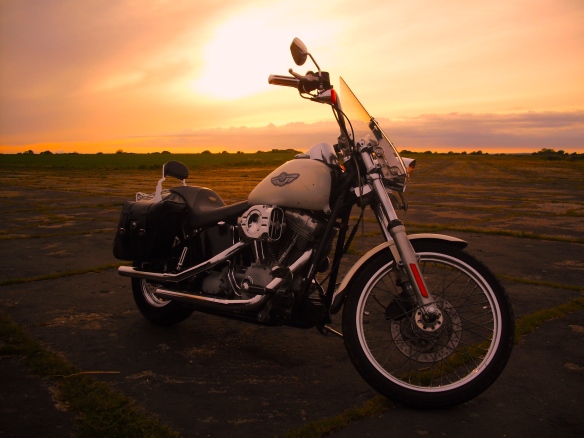
Stopping to chat with one guy he observed that we have much to be thankful for, we have indeed; like a super ride home west into a crimsoning sky on a growling Harley Davidson! I’d like to think that those young paratroopers would have approved!

Dookes


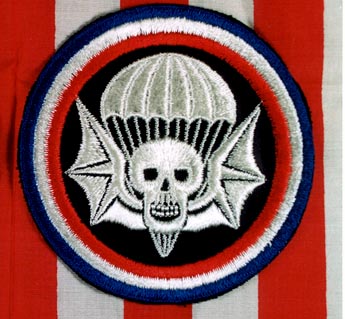
The battle patch of the 502nd, I think that this will look good on my leathers!
IMG_0344


Dedicated to all those who came by air in 1944.


In My Grandfathers Shadows

It’s a cold wet night in Normandy. Today has been about one thing, riding motorbikes and doing it quickly. Time to let off steam after the intense emotions of the last couple of days, but also time to reflect on what has gone before.

I said at the beginning of this little odyssey that this was a personal pilgrimage to stand where my two Grandfathers had been nearly 100 years ago. In the roundness of the statement, I feel that I have achieved my goal, but at the same time I seem to have uncovered much more that I will need time to ponder and study. The existence of the book detailing the history of Siege Battery 94 and accompanying map were a godsend and we were able to pretty much pin point the exact position of the guns at each location.
This is “the sunken lane between Ovillers and the Bapaume Road”.

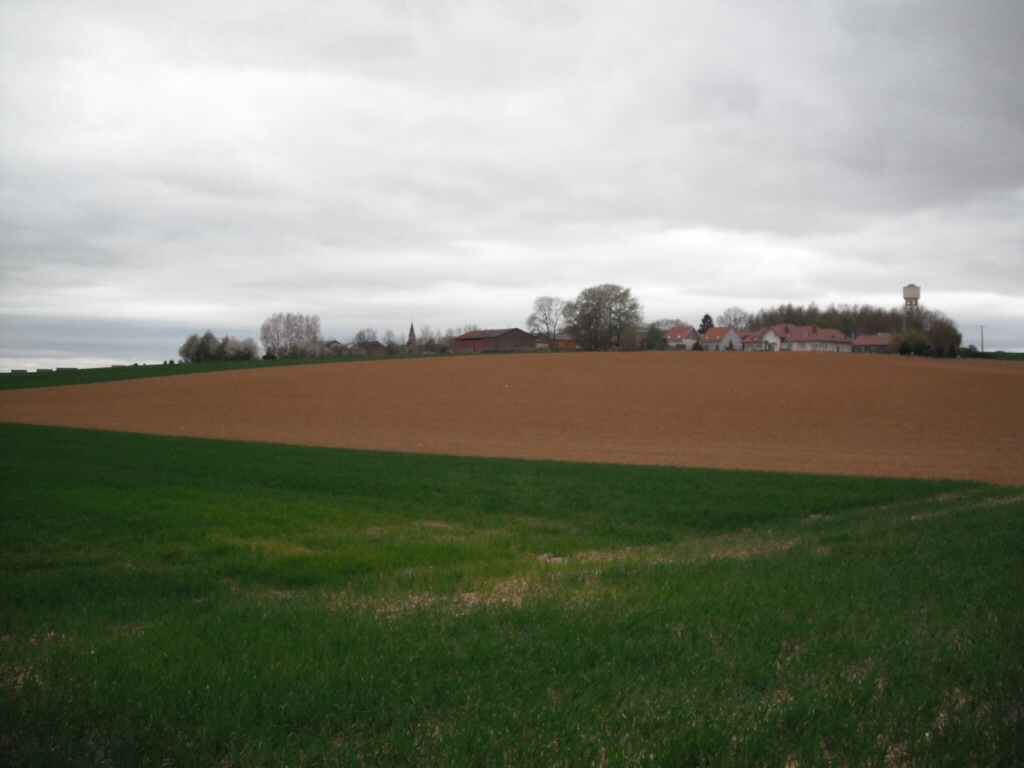
20140407-211817.jpg I know that it’s just the corner of a field in North East France, but it’s where men fought and died alongside my Grandfather William and so to me, it’s sacred ground. In the next photo, near Thiepval, the guns stood by the small farm in the middle of the picture, same emotion here as well.>

20140407-212510.jpg

We moved East from Albert to Mametz, where Grandfather Charles and his fellow field gunners supported the 38th Welsh Division as they made their assault on Mametz Wood losing 4000 men in five days. Today the wood is peaceful and alive with the new life of spring. Shell craters still lie in the undergrowth, a tangible reminder of the wood’s bloody history. On the ridge facing the wood, from where the Welsh soldiers started their attack, stands probably the most striking memorial on the whole Somme battlefield.

20140407-214319.jpg Y Ddraig Goch, The Red Dragon, stands defiant facing Mametz Wood, it’s claw tearing at barbed wire atop a three metre plinth. Awe inspiring and strikingly simple. It made me very proud, yet at the same time very sad.

Thank you all for riding along with me on this, very different, trip. I have needed to do this pilgrimage for a long time. No more cemetery, or memorial photos for now, but maybe I’ll share some further thoughts in the future. Please do two things for me, eh?

Remember them, the ordinary soldiers, who became extraordinary men and who died by their millions. Remember them, not just once a year but all year, because the poem is true; “For our tomorrows, they gave their today.”

Thank you, Dookes.

20140407-221511.jpg

>

20140407-221613.jpg

They Came By Sea

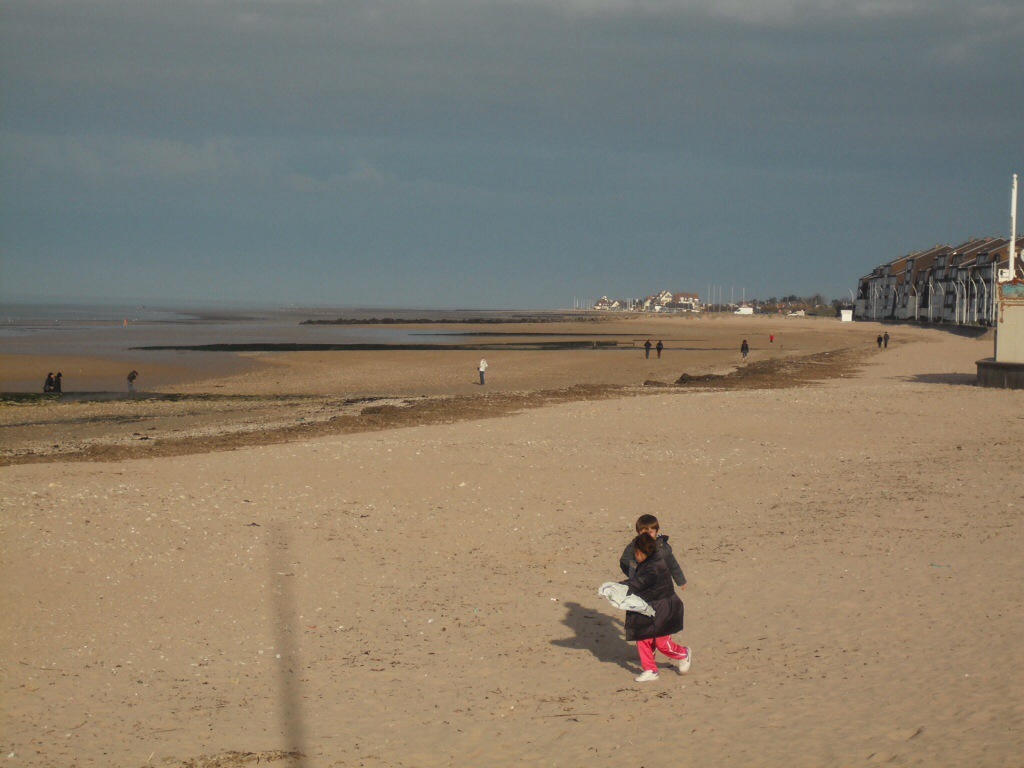
Our hotel last night was in Ouistreham and looked out onto one of the famous Normandy invasion beaches from Operation Overlord, Sword Beach. On D-Day this beach was the landing site for the British 3rd Infantry Division, this morning it is a very different place and quite beautiful in the early light of a spring dawn.

20140405-072015.jpg

Some evidence of wartime defences remain in the sand. >

20140405-072206.jpg

Further up the coast, the Canadians landed at Juno Beach, last night children played where battle had raged.>

20140405-072504.jpg

There seem to be relics and memorials everywhere, I leaves everyone in no doubt about what happened there nearly 70 years ago.
>

20140405-224204.jpg
Which is a very good thing to do.

Next up we head to the Somme.

Stick with us, this is going to get more interesting!

Dookes

>

They Came By Air

Nearly 70 years ago, in the early hours of June 6th 1944, the liberation of Europe from the Nazis began. Operation Overlord started on what is now know as D-Day.

The first assaults were made from the sky.

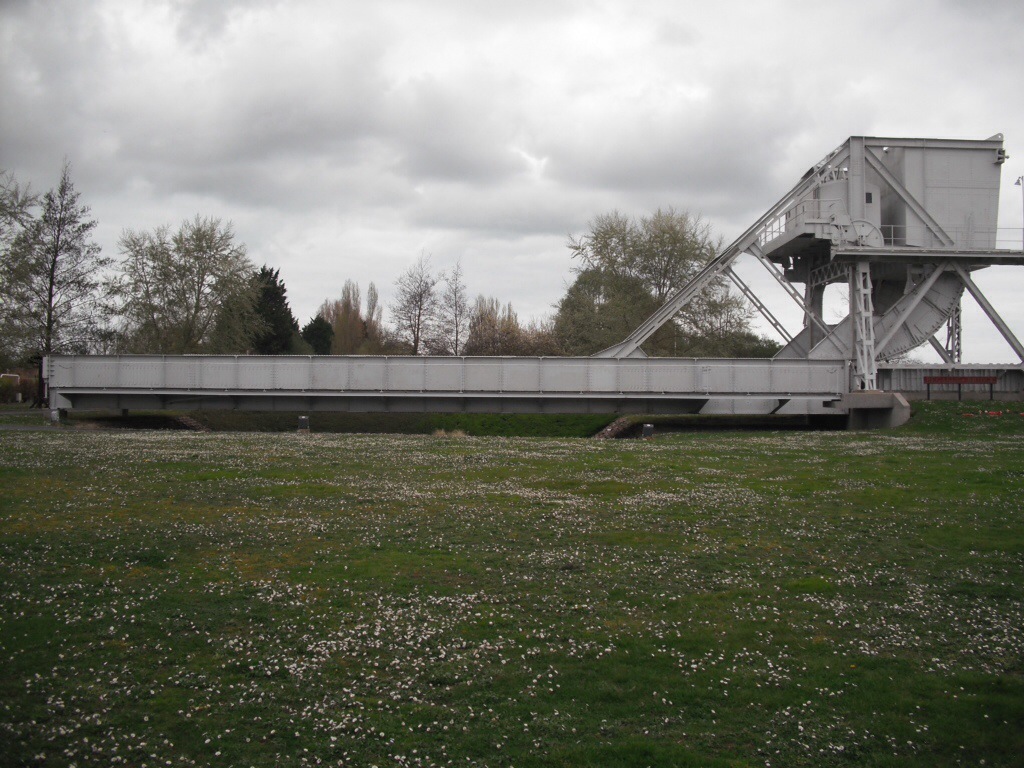
In the East, British paratroopers were silently landed by glider adjacent to the key strategic bridges at Raneville. The brief, yet intense, battle for what is now know as Pegasus bridge was a total success with the defending force neutralised quickly and the bridges were captured intact. Today the original bridge is preserved as the centre piece of a fantastic museum that tells the story of that phenomenal moment in history. As our route took us across the new bridge, that sits on the exact site of the old one, we just had to look in!

20140404-225400.jpg

Bullet holes and scars, a battle was fought and men died here.>

20140404-225706.jpg

The new bridge.>

20140404-225929.jpg

In the West, American Troops from the now famous 101st Airborne parachuted in between Saint Martin-De-Varreville and Pouppeville at 00:48 hours the night before the invasion…. to agitate the Germans and to confuse them by raiding their barrack’s and gunnery positions to make them believe that the main assault was coming from the air. Maybe I can tell you some more about that on another post.

In the meantime, I’ll catch you later.
Dookes

>

An Appointment In Normandy

Good evening everyone, tonight we are in Ouistreham, Normandy.

I am really having trouble getting going with this post, partly because today has been quite an emotional roller coaster ride. Firstly was the sheer unbridled joy of being out on my beloved Harley, letting her do what she does best, munching the miles on open French roads!

Next we came down to earth with a massive bump, our appointment was at Banneville la Campagne War Cemetery, where Mrs Dookes Grandfather is buried.
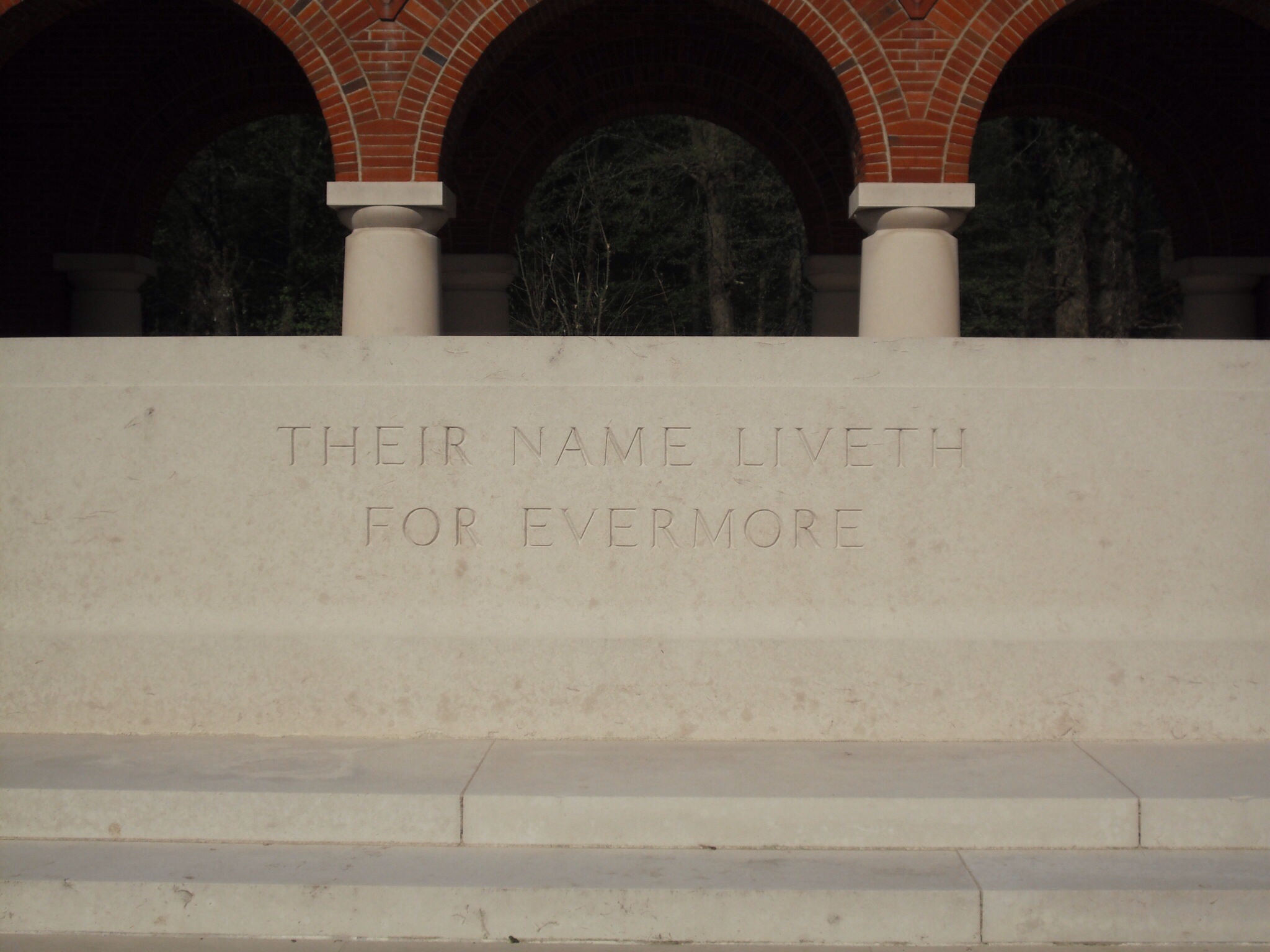
This is the first War Cemetery that I have ever visited and it has left a deeply indelible impression on me. There are just over two thousand men buried at Banneville, sobering enough, but this is not classed as a large cemetery! Lying next to a small wood, the place has an serene sense of peacefulness, although the sounds of the world bustle from beyond. As we walked around silently reading the many inscriptions, skylarks sang in the sky above us and the scent of spring flowers wafted in the air. This truly is a sacred place.

20140404-215738.jpg

Our mission was to deliver three crosses and poppies, from the family back in Cornwall, to Grandfather’s grave. In addition I placed some Cornish Granite chippings in the ground with them. I took the opportunity to introduce myself to him and explain why I was there, it was incredibly moving and I have tears in my eyes as I write this ten hours later. I hope you understand that I am not posting a photograph of his grave, it’s to personal, a private thing and not for the world of cyberspace.

I’ll leave this post with one more photograph, this is the Grave next to Grandfather. It’s not at all unusual, there are sadly many, many, more just like this. Who ever you are reading this, where ever you are and what ever you believe in, please spend a minute pondering this photograph and reflect on the inhumanity and plain stupidity of war. Then thank your God that you are free.

>

20140404-222204.jpg
There is a corner of a foreign field that is forever England.>

Sailing For France

It always amazes me how quickly the start date for one of my trips comes around, but here we are getting ready to sail for France. The weather has been miserable all morning, but seems to be trying to brighten up now.

My thoughts have been continually turning back nearly 100 years to the men, who with my Grandfathers, would have been also getting ready to cross the English Channel by ship. In their case though, there was certainly no guarantee of a return trip and definitely no comforts on the voyage. I wonder what they were thinking? No doubt on the surface all was bravado and fun, but inside it must have been a different story. Who was it who said that courage is to be afraid, yet still go on?

I found this photograph of a troop ship leaving Folkestone, where so many embarked. Who knows, maybe William or Charles could be in this photograph. IMG_0309What of those men in the picture, what happened to them and how many came home? The answer is lost in the mists of time, but it certainly is a sobering thought.

I know that our Brittany Ferry ship tonight, my old friend the ‘Pont Aven’, will be considerably more palatial than this dear old two stacker…but with nothing of the style! Then again, I won’t have to spend the crossing on deck in case of submarine attack…

‘And I heard a voice crying, This is the path to Glory.’  (Wilfred Owen 1893-1918)

Catch you all in France tomorrow.

Dookes


Some More History

Thank you for all the feedback from my last post on the subject of the next road trip. A couple of questions keep cropping up about how I have found out so much about my two Grandfathers’ Army service, so I thought that I had better explain.

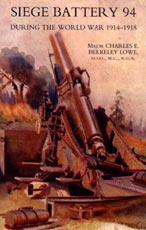
First up is Grandfather William; here I had a bit of a head start and it is he that I have found out most about. Obviously first hand family history is always a good starting point and I was very fortunate that my late Grandmother told me so much about him. In William’s case though, I also came into possession of a very interesting book that was written just after WW1 detailing all the actions and movements of his combat unit during the Great War period. The book was written by one of the Officers of the 94th Battery, Royal Garrison Artillery and was distributed to all the unit’s survivors after the conflict.

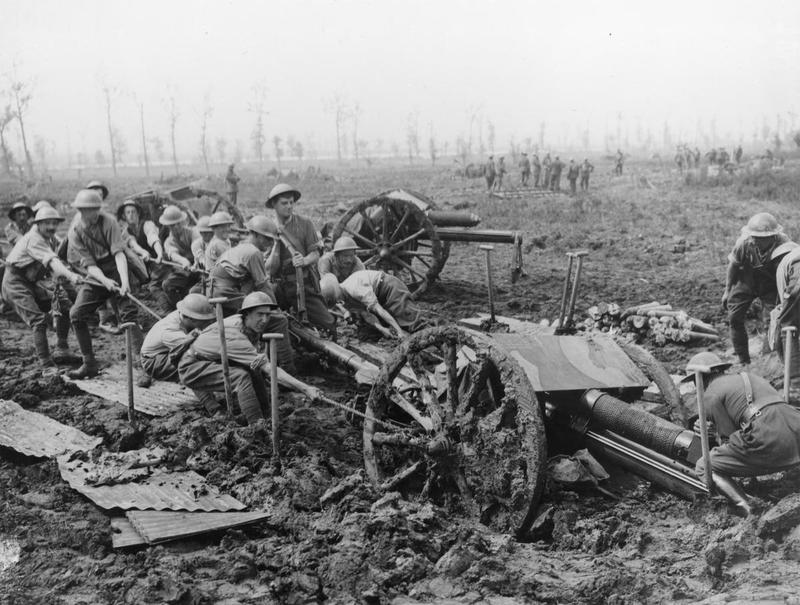
IMG_0289 It draws upon the war diaries of the unit and gives details of locations, action, targets and sadly the casualties, that the 94th Battery experienced. Alongside the book is a map that accurately shows exactly where the unit was during the whole of its time in France, the details of this map can be accurately plotted on modern maps and looking at Google Earth, amazingly some of the gun locations can still be seen! Guns such this 9.2 inch howitzer, seen here in action on the Somme; note that it took four men to lift the shell, no ear defenders in sight either!IMG_0299The next bit of good fortune was to be able to obtain William’s Army Service record from the National Records Office. This was a real stroke of luck as unfortunately nearly three-quarters of the historic artillery records were destroyed by Nazi bombing during World war Two. William’s survived, just, because they show signs of burning around the edges! Putting the information from these two sources together I was able to build a pretty good picture of William’s service history, from signing up in 1915 to discharge in 1919. The detail was sufficient that I have been able to virtually say where he was on any specific day and what he may have been involved in. He joined the Army on the 11th December 1915, was posted for training on 8th April 1916 and by July 1916 he was involved in the Battle of The Somme, which all seems amazingly rushed! During the summer of 1917 he was wounded during an artillery duel near Nieuport, but soon returned to frontline service until evacuated back to England in April 1918. He was posted back to mainland Europe and served in the Army of Occupation during 1919. Sadly, in the case of Grandfather Charles we know a lot less. It has been a tad more difficult to find out much beyond the sparse accounts we have from what he told family members. Like many veterans of war he didn’t talk an awful lot about his experiences.  Unfortunately his service and unit records were amongst those destroyed by Goering’s bomber boys in WW2. From his medals and medal record card we know that he served with 188 Battery, Royal Field Artillery. Here we see men of the RFA trying to manoeuvre one of their 13 pounder guns in the bottomless mud of France.IMG_0301There are some pretty useful general records of where 188 Battery saw action, but nothing like as much detail as the RGA book. I know that after the Battle of The Somme his unit was later involved in that other WW1 slaughter at Passchendaele, the Battle of Ypres, in 1917. Was one view into hell not enough? IMG_0290So that’s it for now, I do hope that you find this small snapshot of family history interesting. Like I said previously, just two ordinary soldiers who survived the worse conflict in history. Heroes? Well certainly not in their own eyes, but to me they stand with their comrades among the greatest heroes in history. Their fight with the enemy was not personal, indeed they shared a common lot and sadly many would share a common fate. Yet they did what was asked of them, they lived, fought and died for each other and just some, the lucky ones, came home again.     Heroes? Undoubtedly!

“I’d heard fool-heroes brag of where they’d been,

With stories of the glories that they’d seen.

But you, good simple soldier, seasoned well

In woods and posts and crater-lines of hell,

And still you whisper of the war, and find

Sour jokes for all those horrors left behind.”     Siegfried Sassoon


Catch you all soon.  Dookes


PS If anyone is interested, the book I referred to is:

“Siege Battery 94 During the World War 1914-1918” by Major Charles Berkley Lowe. It has now been published now in paperback by The Naval and Military Press in association with the Royal Artillery Museum ; ISBN 1-845740-88-2